Source Car Detailing Polishing Tool Kit for Cars, Floors, and Furniture
Find and compare a range of car detailing polishing tool kits and related industrial brushes from verified suppliers. With 30 products available, buyers can evaluate options for car bodies, furniture, and general cleaning applications based on material and customization needs.
Key considerations
Products List





Comprehensive Sourcing Guide
Strategic Sourcing Guide for Car Detailing Polishing Tool Kits
Understanding Product Categories and Technical Specifications
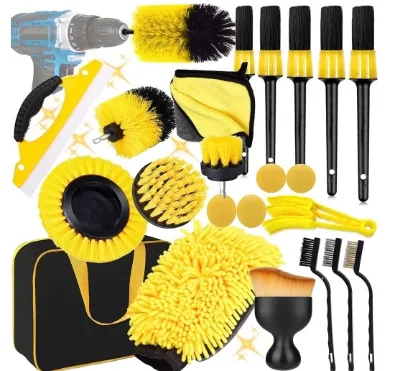
The market for car detailing polishing tool kits encompasses a diverse range of equipment designed for surface preparation, paint correction, and final finishing. When evaluating potential suppliers, buyers must first distinguish between the primary tool types available. The observed product landscape includes distinct categories such as polishing buffing pads and industrial-grade polishing brushes. Buffing pads are typically characterized by their specific dimensions and pad types, with standard offerings ranging from 2-inch to 5-inch diameters. These pads are often constructed with specific materials, such as nylon brush heads, to ensure effective contact with vehicle surfaces without causing damage.
In addition to pads, the supply chain also features specialized brushes designed for various applications. These tools may be categorized by their shape and usage, such as long-shaped brushes intended for industrial or civil applications. The material composition is a critical technical specification; for instance, brush handles are frequently manufactured from plastic, while the bristles or head materials may be nylon. Buyers should verify the specific model numbers associated with these tools, as different models like 902007 or 902022 may denote variations in size, grit, or intended application. The grit level is another vital parameter, often available in custom specifications to match the specific paint correction needs of a vehicle.
The physical dimensions of the tools are equally important for inventory and shipping logistics. Standardized packing dimensions and product standards are often observed, such as specific carton sizes or universal pad standards. For example, some products adhere to specific dimensional standards like 592951.5cm for packaging or specific pad sizes like 10*50cm. Understanding these technical attributes allows procurement teams to accurately calculate shipping costs and storage requirements. Furthermore, the condition of the products is typically listed as new, ensuring that buyers receive factory-fresh inventory suitable for professional detailing operations.
Compliance, Certification, and Material Standards
Ensuring that car detailing tools meet safety and environmental standards is a paramount concern for B2B buyers. While specific certification statuses such as CE or RoHS may appear in general market data, buyers must verify these claims on a per-supplier basis rather than assuming universal compliance. The absence of explicit certification data in general product listings necessitates a rigorous due diligence process where buyers request current test reports and compliance documentation directly from the manufacturer.
Material safety is a key component of compliance. The use of industrial-grade materials in the construction of these tools suggests a focus on durability and performance, but it also requires verification that the materials used in the plastic handles and nylon heads do not contain harmful substances. Buyers should inquire about the specific grade of materials used, ensuring they align with international safety standards for products that come into contact with vehicle surfaces and potentially human skin during detailing processes.
Environmental considerations are increasingly influencing procurement decisions. Some product listings highlight features such as being eco-friendly, which may relate to the manufacturing process or the recyclability of the packaging. The packaging itself, often described as cartons with specific set counts per carton (e.g., 20 sets/CTN or 50 sets/CTN), should be evaluated for its environmental impact. Buyers should verify if the packaging materials are recyclable and if the supplier adheres to any specific environmental standards regarding waste reduction. Additionally, the origin of the products, often listed as China (Mainland) or specific provinces like Zhejiang, may influence the regulatory framework under which the products were manufactured. Understanding the regulatory environment of the origin location can help buyers anticipate potential compliance hurdles or requirements for importation into their target markets.
Cost Drivers and Pricing Structures
The pricing of car detailing polishing tool kits is influenced by a complex interplay of factors, including customization, order volume, and material costs. The observed market data indicates a significant price range, with unit costs varying from approximately $0.72 to $59.80. This wide disparity is primarily driven by the complexity of the product, the level of customization required, and the quantity ordered.
Customization is a major cost driver. Products that offer OEM (Original Equipment Manufacturer), ODM (Original Design Manufacturer), or OBM (Original Brand Manufacturer) support often command higher prices due to the additional engineering, tooling, and branding costs involved. Buyers seeking custom logos or specific product configurations should anticipate a premium over standard off-the-shelf items. The availability of customized options, such as specific colors (white, black, red, blue) or custom grit levels, further adds to the production complexity and cost.
Order volume is another critical determinant of pricing. The Minimum Order Quantity (MOQ) varies significantly across suppliers, ranging from as low as 500 pieces to as high as 5000 pieces. Suppliers with lower MOQs may charge a higher unit price to cover setup costs, while those with higher MOQs often offer more competitive pricing tiers. Buyers must balance their inventory needs with the financial implications of meeting these MOQ thresholds. Additionally, payment terms such as Western Union, PayPal, or Telegraphic Transfer (T/T) can impact the overall cost structure, as different payment methods may carry varying transaction fees or currency exchange risks.
Typical Applications and Usage Scenarios
Car detailing polishing tools are designed for a wide array of applications, extending beyond simple vehicle cleaning to encompass industrial and specialized tasks. The primary application for these tools is on car bodies, where they are used for polishing, buffing, and paint correction. The versatility of these tools allows them to be used on various surfaces, including floors, toilets, kitchens, and windows, although their primary design focus remains on automotive detailing.
The specific application of a tool often dictates the required specifications. For instance, polishing brushes may be utilized in food and drinks processing, shoe manufacturing, wooden furniture finishing, and environmental protection sectors. This broad applicability suggests that the same tool types can be adapted for different industries, provided the correct specifications are selected. Buyers should carefully match the tool's application to their specific use case to ensure optimal performance. For example, a brush designed for glass or electrical and electronics applications may require different bristle stiffness or material composition compared to one used for machinery or wooden furniture.
The style and design of the tools also play a role in their application. Hand-held styles are common for detailed work, while industrial-grade tools may be designed for larger, more automated operations. The feature of being easily cleaned is particularly valuable in applications where hygiene is critical, such as in food processing or medical environments. Understanding the specific usage scenarios helps buyers select the right tools for their operational needs, ensuring efficiency and effectiveness in their detailing or manufacturing processes.
Supplier Evaluation and Quality Control
Evaluating suppliers for car detailing polishing tool kits requires a comprehensive approach that goes beyond simple price comparisons. Buyers should assess the supplier's capability to provide customization support, including OEM, ODM, and OBM services. The ability to offer customized logos and product specifications is a strong indicator of a supplier's flexibility and commitment to meeting client needs. Additionally, the supplier's location, such as Anqing or Zhejiang, China, can provide insights into their logistical capabilities and proximity to raw material sources.
Quality control is another critical factor in supplier evaluation. Buyers should request detailed information about the manufacturing process, including the materials used and the testing procedures employed. The condition of the products, typically listed as new, should be verified through sample inspections. Buyers should also inquire about the warranty period, which can range from standard terms to extended periods like three years, indicating the supplier's confidence in their product quality.
To ensure consistent quality, buyers should implement a robust quality control protocol. This may include requesting pre-shipment inspections, verifying the product standards (such as universal pad standards or specific dimensional standards), and checking the packaging integrity. The packing specifications, such as the number of sets per carton, should be clearly defined to prevent damage during transit. Furthermore, buyers should verify the supplier's ability to meet the required MOQs and lead times, as these factors can significantly impact the supply chain's efficiency.
Long-Term Procurement Considerations
Sourcing car detailing polishing tool kits is not merely a transactional activity but a strategic decision that impacts long-term business operations. Buyers should consider the scalability of their supplier relationships, ensuring that the chosen partner can accommodate growth and fluctuating demand. The ability to adjust order volumes and customize products as market needs evolve is essential for maintaining a competitive edge.
Sustainability and environmental responsibility are becoming increasingly important in procurement strategies. Buyers should evaluate the supplier's commitment to eco-friendly practices, including the use of recyclable materials and energy-efficient manufacturing processes. This aligns with broader corporate social responsibility goals and can enhance the brand's reputation among environmentally conscious consumers.
Finally, buyers should plan for the total cost of ownership, which includes not only the purchase price but also shipping, storage, and potential returns. Understanding the payment terms and currency risks associated with international trade is crucial for financial planning. By taking a holistic approach to procurement, buyers can build resilient supply chains that deliver high-quality products while minimizing risks and maximizing value over the long term.
FAQs
What customization options are available for car detailing polishing tool kits?
Customization is available for these kits, including OEM logo acceptance and support for ODM or OBM services. Buyers can request specific colors like white, black, red, or blue, and custom grit levels for polishing pads to match their specific detailing needs.
Which materials are used to construct the brush handles and heads?
The brush handles are typically made from plastic, while the brush heads utilize nylon material. These components are designed for durability and effective contact with vehicle surfaces, ensuring the tools can handle various polishing and buffing applications without causing damage.
How do MOQ requirements vary for different polishing tool models?
Minimum Order Quantities vary significantly, ranging from 500 pieces for some polishing buffing pads to 3000 pieces for other models. Buyers must check the specific model number, such as 902007 or 902022, to determine the exact order threshold required by the supplier.
What payment methods are accepted for purchasing these detailing tools?
Accepted payment methods include Western Union, PayPal, and Telegraphic Transfer (T/T). These options provide flexibility for international transactions, allowing buyers to select the method that best suits their financial processes and currency requirements for the order.
Can these tools be used for applications beyond car body polishing?
Yes, the tools are versatile and can be used for floors, toilets, kitchens, windows, and apparel. They also serve industrial applications in food processing, shoe manufacturing, wooden furniture finishing, and environmental protection sectors, making them suitable for diverse cleaning and polishing tasks.
What is the standard packaging configuration for these polishing kits?
Products are typically packed in cartons with specific set counts, such as 20 sets per carton or 50 sets per carton. The packaging dimensions vary by model, with some standards listed as 59 by 29 by 51.5 cm, ensuring safe transport and organized storage.
Are these polishing tools available in new condition with warranty coverage?
The products are listed as new condition, ensuring factory-fresh inventory for professional use. Some suppliers offer a three-year warranty, indicating confidence in the product quality and providing buyers with protection against potential defects or performance issues during the warranty period.